What resurfacing is (and isn't)
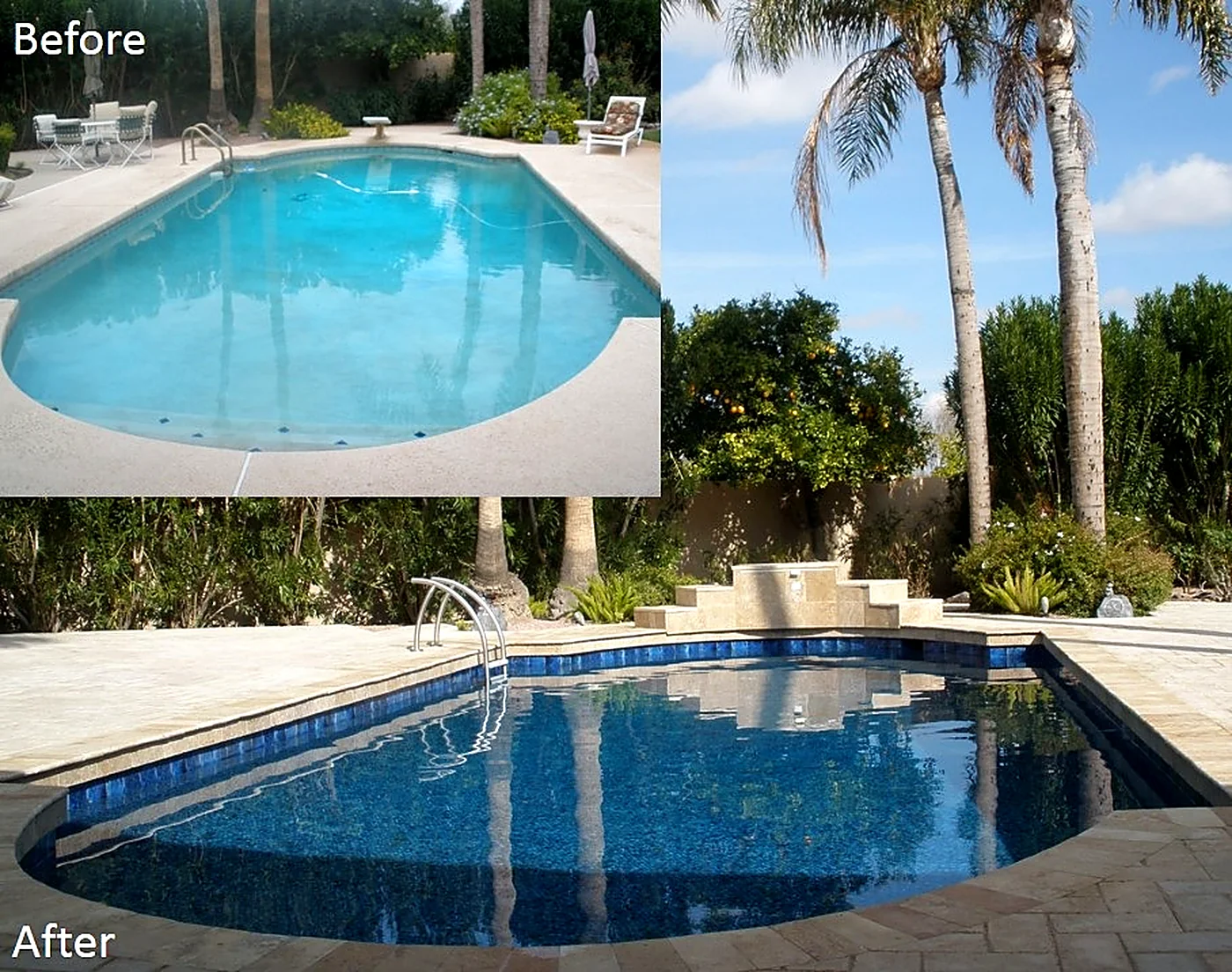
Resurfacing replaces the pool's interior finish: the plaster, quartz or pebble surface you touch when you swim. The pool is drained, the old surface is prepared, repairs are made and a new finish is applied. It fixes rough texture, stains, etching and worn-out color.
What it doesn't fix: leaking plumbing, failing equipment, a cracked structure, loose coping, an old deck or a layout that doesn't work for how you use the pool.
Signs a resurface is enough
- The surface is rough or snags swimsuits, but the pool holds water.
- Stains and discoloration won't brush or treat out.
- Small areas are flaking or sound hollow when tapped (delamination).
- Tile and coping are in good shape, or need only minor repair.
- The equipment works well and the plumbing doesn't leak.
Signs you need a full renovation
- The pool is losing water beyond normal evaporation (a possible leak in the shell or plumbing).
- There are structural cracks, not just surface crazing.
- Coping is loose or the waterline tile is falling off.
- The deck is cracked, heaving or draining toward the pool.
- Equipment is old, inefficient or failing.
- For commercial pools: drain covers, depth markings or accessibility no longer meet current requirements.
- You simply want a different look, depth, layout, spa or water feature.
If you're draining the pool to resurface anyway, that's the cheapest moment to replace tile and coping. Doing them separately later means draining and working around a brand-new finish.
The cost logic
A resurface costs less today. A renovation costs more today but bundles work that would otherwise need its own drain, its own mobilization and its own closure. The right choice depends on how long you plan to keep the pool, what condition everything else is in and, for communities, what your reserve study says is coming due.
Our pricing guide explains the main cost factors. We price resurfacing and remodels after we’ve walked the pool, so the number holds up.
For HOAs and apartment communities
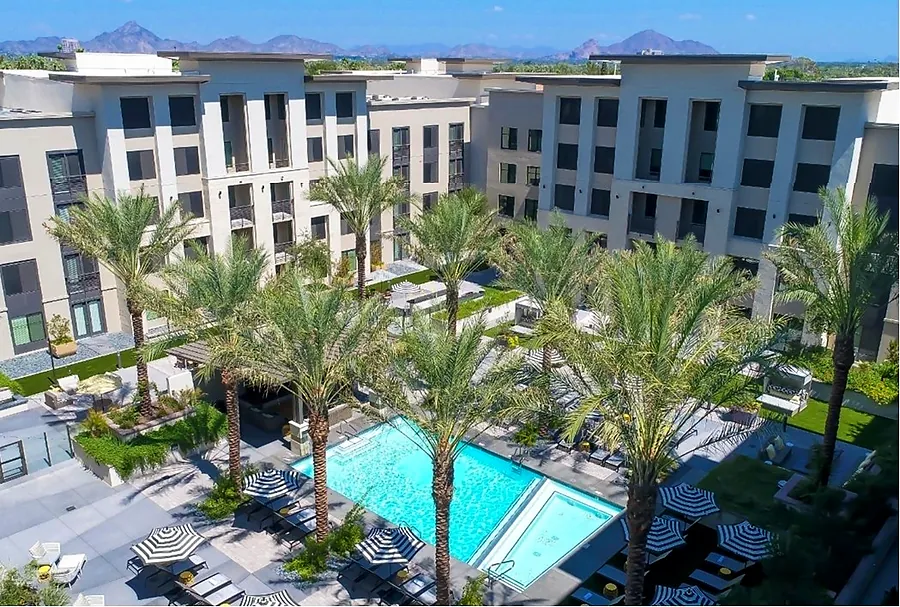
Commercial pools add two considerations. First, closures affect residents and leasing, so bundling work into one closure is often worth more than the savings of splitting it up. Second, public and semi-public pools fall under county health rules, and some renovation scopes need plan review before work starts. Factor that time into your schedule.