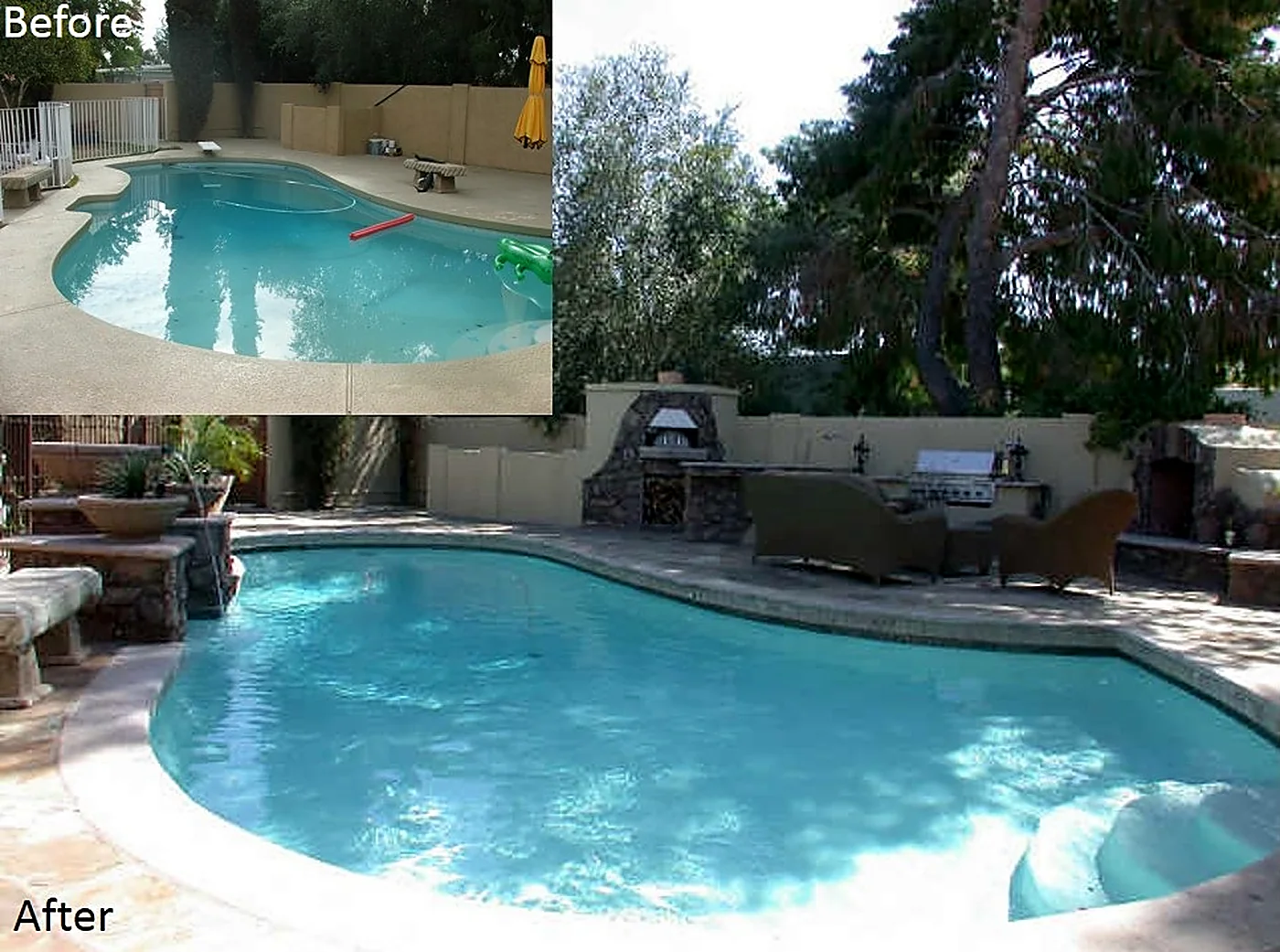
What a pool finish actually does
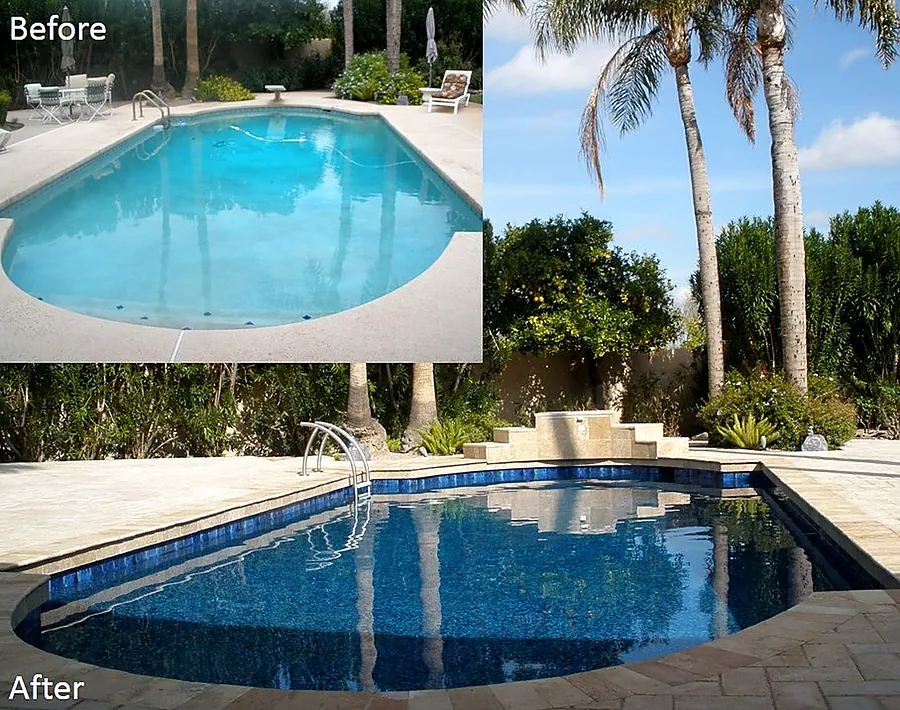
Every gunite pool has two layers that matter here. The shell (steel and gunite) holds the shape. The finish is the layer troweled over it: it seals the shell, sets the color of the water and decides whether your feet feel silk or sandpaper. On a new pool it goes on near the end of the build (see how long it takes to build a pool in Arizona). On an older pool, replacing it is what resurfacing means, and our resurfacing vs. renovation guide covers when a new finish is enough.
Arizona gives finishes a hard time. Our water is hard, our sun is relentless and pools here run nearly year-round, so calcium builds up at the waterline and chemistry swings fast in the heat. That's why the choice deserves more thought than “whatever the last owner had.” Supreme installs the full lineup: traditional plaster, quartz, pebble finishes, glass bead and PebbleSheen, our top-quality pick.
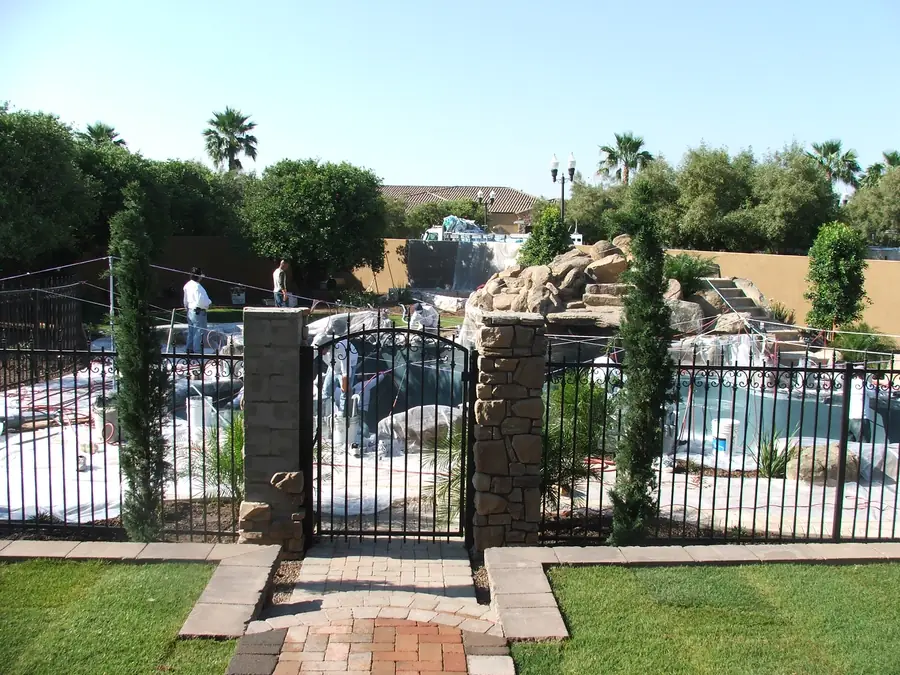
Plaster: the smooth classic
Traditional pool plaster is a cement-based finish troweled to a smooth surface. It's the look a lot of Valley pools from the '70s, '80s and '90s were built with, and white plaster gives the water that bright, classic light blue.
- Look: clean and traditional. White is the classic, and it shows the water at its lightest.
- Feel: the smoothest of the three when it's new. Kids who spend all afternoon on the steps tend to approve.
- Durability: the trade-off. In our heat and hard water, older plaster can etch, stain and roughen sooner than it would somewhere cooler, and a light surface shows marks more readily.
Think of plaster as the crisp white shirt of pool finishes: timeless, great-looking, and not a fan of spills.
Quartz: plaster with a little backup
Quartz finishes blend crushed quartz into a cement-based finish. The result still reads as a smooth surface, but with more color choices and a subtle sparkle in the sun.
- Look: soft color and shimmer, from light tones to richer blues, without the stone-bed look of pebble.
- Feel: smooth with a slight texture, a middle ground between plaster and pebble.
- Durability: the quartz adds hardness to the mix, so it's a common step up for people who want color and more resilience than plain plaster but don't want the texture of pebble.
If plaster is the white shirt, quartz is the same shirt in a nicer fabric.
Pebble: the long-haul finish
Pebble finishes set small, smooth stones into the cement and then expose them, so the surface you see and touch is mostly stone. It's the most natural-looking of the three, and darker pebble colors give the water a deeper blue or lagoon tone that sits nicely next to desert landscaping and rock work.
- Look: natural and varied, with a lot of color choices. Darker blends make the water look deeper.
- Feel: textured. You'll notice it on steps and benches, which some people like for grip and others with tender feet like a little less.
- Durability: pebble finishes generally outlast standard plaster, which is a big reason they're popular in the Valley.
Two options worth knowing about. PebbleSheen is our top-quality pick: it uses smaller pebbles for a smoother feel than standard pebble while keeping the stone look. Glass bead finishes add reflective glass for extra shimmer when the sun or the pool lights hit them.
Look at finish samples wet and in daylight if you can. A chip that looks gray on a table can turn the whole pool a gorgeous blue once there's water over it.
How to choose the right finish for your pool
There's no single best finish, only the best one for how you use the pool. When we walk a pool, we show samples and talk through the trade-offs in feel, look and lifespan. These are the questions that usually settle it:
- Who's swimming? If smooth underfoot is the top priority, plaster or PebbleSheen usually win. If grip on steps matters, pebble has the edge.
- What water color do you want? White plaster gives the classic light blue. Quartz adds soft color. Darker pebble gives a deeper, more natural tone.
- How long will you own the pool? The longer you plan to stay, the more durability is worth.
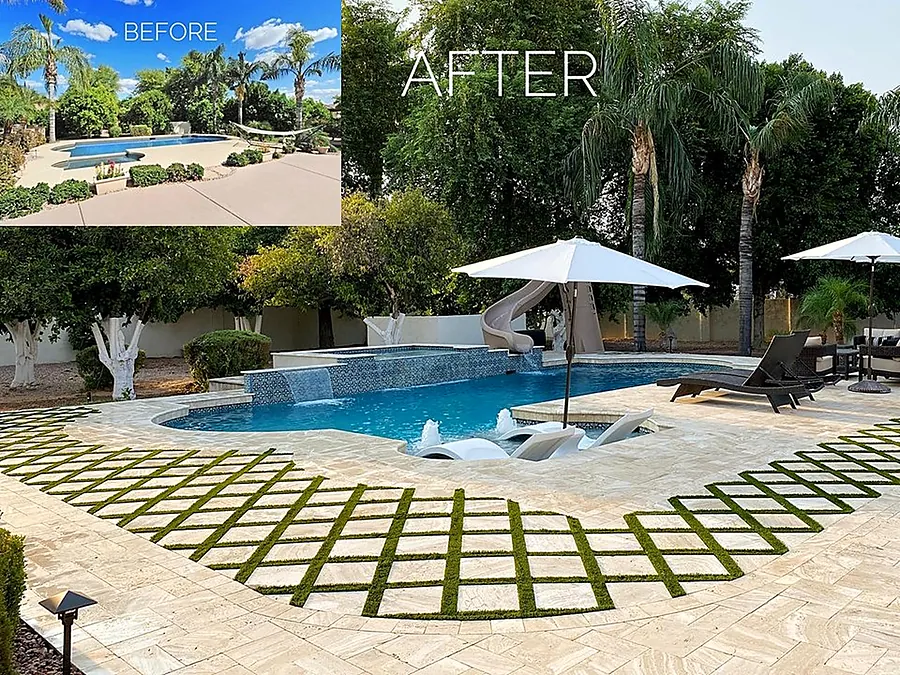
- What else is changing? The finish, waterline tile, coping and deck all meet at the edge, so choose them together. See pool tile and coping and pool remodeling, or browse the before-and-after gallery for ideas.
And a finish is only as good as the water it sits in. Any of the three will look better for longer with balanced chemistry.
Timing, cost and caring for a new finish
Timing: a resurface is typically about 2 to 3 weeks from draining to swimming, including start-up. Repairs or new tile can add a little time. If the pool is being drained anyway, that's the cheapest moment to replace tile and coping too.
Cost: plaster, quartz and pebble finishes are priced differently, and finish choice is one of the things that moves a remodel price. On our pricing guide, remodels, resurfacing, tile and coping are priced by consultation, because every older pool shows up with its own surprises. See what a pool remodel costs for what drives the number.
Start-up: the first weeks matter. A new finish gets brushed twice a day for the first two weeks, the robot cleaner and heater stay off until we give the OK, and salt pools wait about 30 days for salt. Our pool start-up guide has the day-by-day plan, and our pool service partner takes over the weekly care.
For HOAs and apartment communities
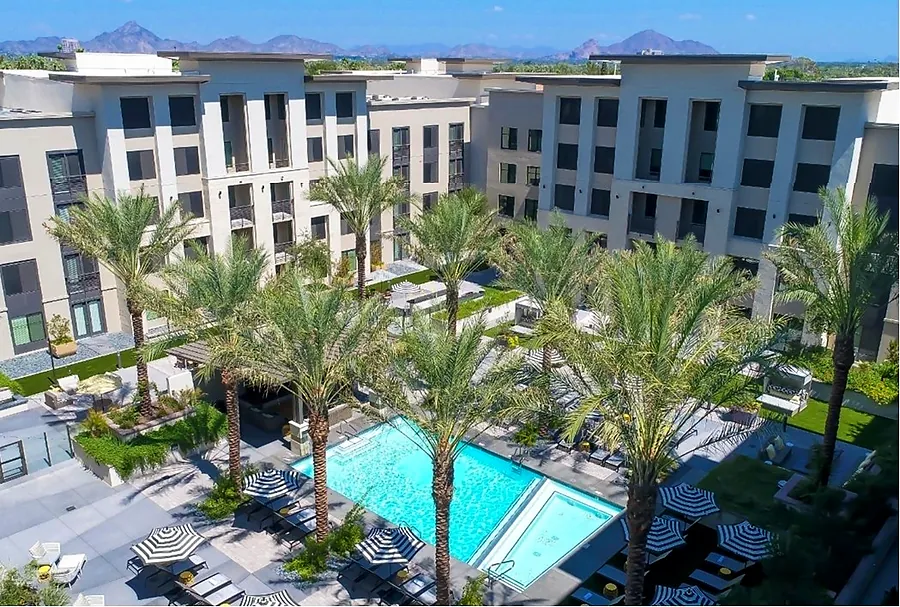
In Maricopa County, resurfacing a public or semipublic pool needs an Approval To Remodel, and the county keeps a list of approved non-white colors and non-plaster finishes. Check the options before the board falls in love with a sample. Our guide to Maricopa County HOA and apartment pool rules explains the review, and commercial pool renovation covers how we schedule the work.